
Premium
2274 results total, viewing 2231 - 2240

|
MONTEZUMA, Iowa — Ben De Boef grew up working on his grandfather’s 400-acre farm in Montezuma, Iowa, and hearing stories about it. “I loved it since I was a kid,” said De Boef. “I didn’t really want to do anything other than farm.” Now 23 years old, De Boef grows corn, soybeans and some alfalfa […]
more
Cassandra Stephenson, Olivia Cohen
|
2/9/26
|

|
Watching, modeling and even playing winter sports help students internalize physics concepts, including acceleration, momentum and friction.
more
Amy Pope, Clemson University, The Conversation
|
2/2/26
|

|
Some of these ‘forever chemicals’ are toxic at very low levels. They can get into water systems and bioaccumulate in fish, ultimately posing risks to people.
more
Christy Remucal, University of Wisconsin-Madison, The Conversation
|
1/28/26
|
|
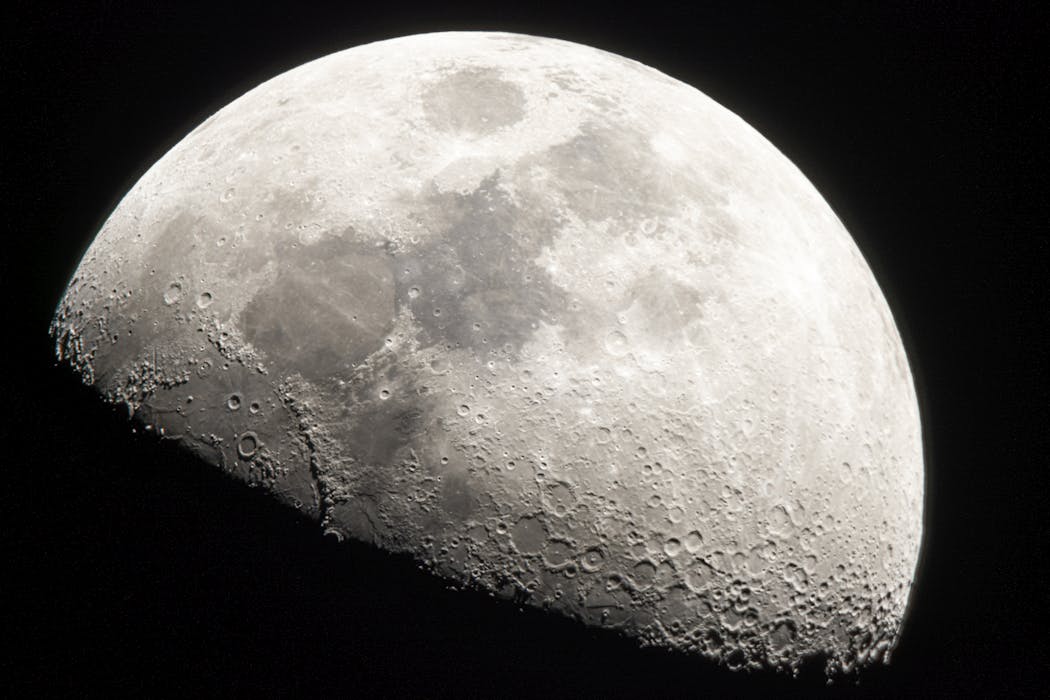
Today, there aren’t just two countries competing to get to the Moon. More countries have space programs, and private industry plays a larger role.
more
Michelle L.D. Hanlon, University of Mississippi, The Conversation
|
1/27/26
|

|
Your feet can send a lot of sensory information to your brain. But whether you believe that your footwear is affecting your cognition may matter more than what shoes you wear.
more
Atom Sarkar, Drexel University, The Conversation
|
1/27/26
|
|
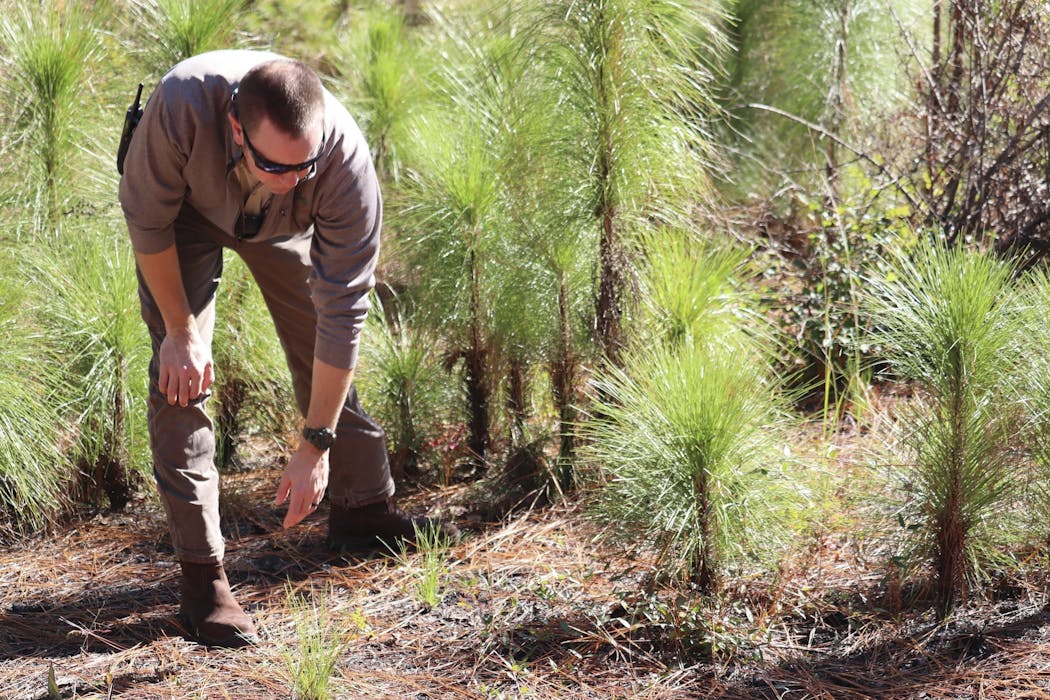
One of North America’s richest ecosystems, sustained and shaped by Native peoples before European contact, nearly disappeared. A recovery is underway.
more
Andrea De Stefano, Mississippi State University, The Conversation
|
1/27/26
|
|
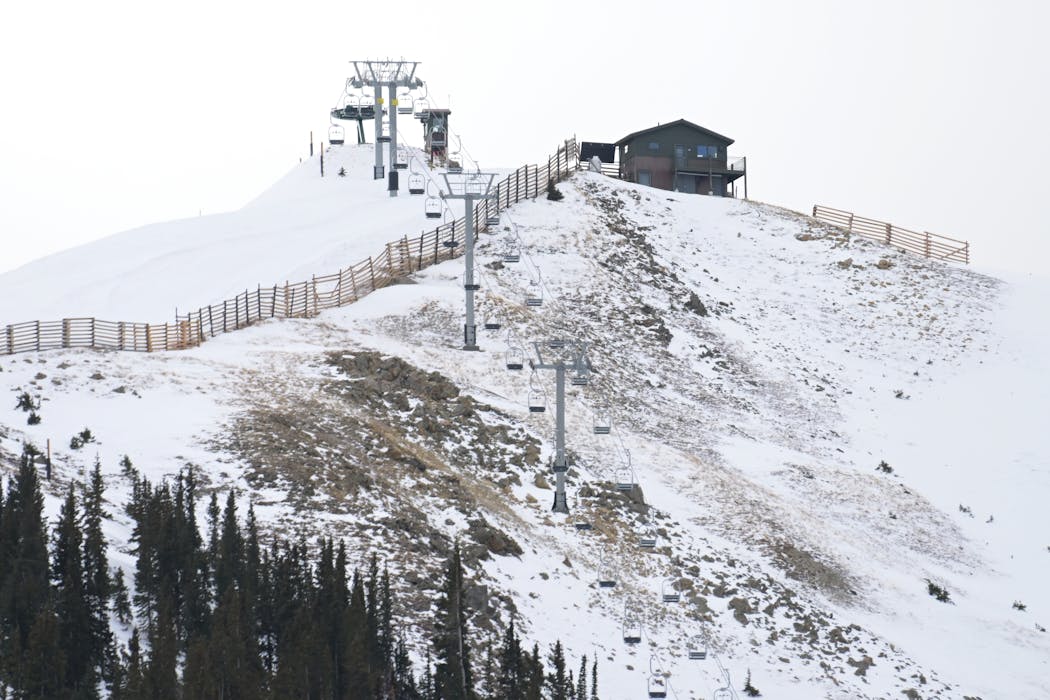
Ski resorts in Colorado can make snow, but it only goes so far.
more
Steven R. Fassnacht, Colorado State University and Michael Childers, Colorado State University, The Conversation
|
1/27/26
|

|
The atmosphere is a complicated place. Warm temperatures in one spot can contribute to brutally cold storms somewhere else.
more
Mathew Barlow, UMass Lowell and Judah Cohen, Massachusetts Institute of Technology (MIT), The Conversation
|
1/26/26
|
|
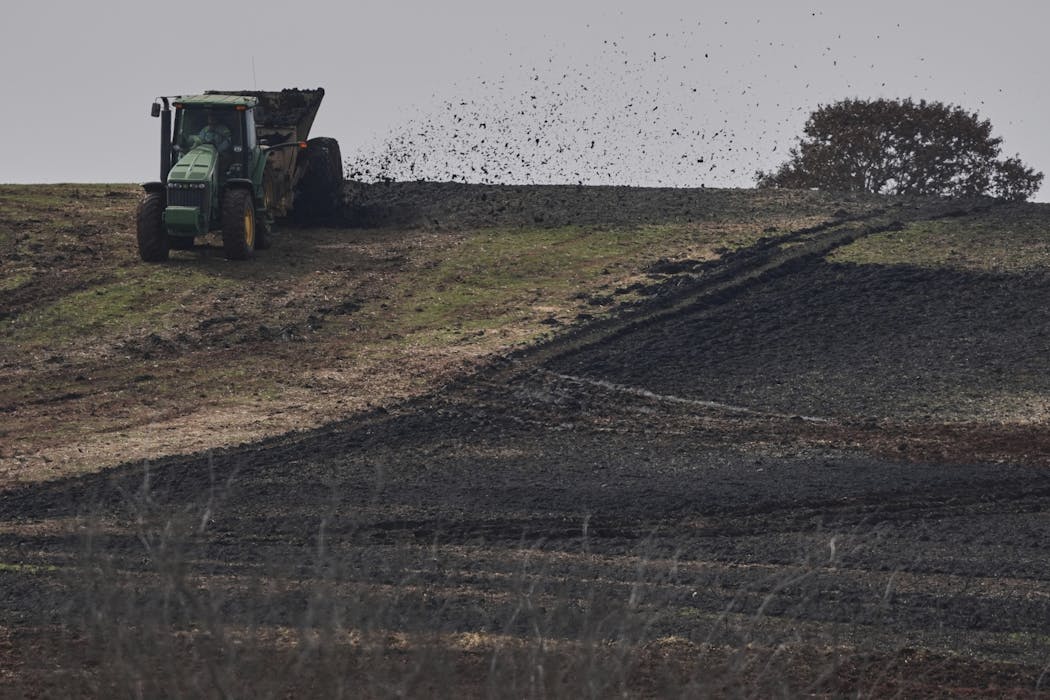
Plants need phosphorus, and other nutrients, to grow. But soil tests can’t tell if there’s too much.
more
Dinesh Phuyal, University of Florida, The Conversation
|
1/26/26
|
|
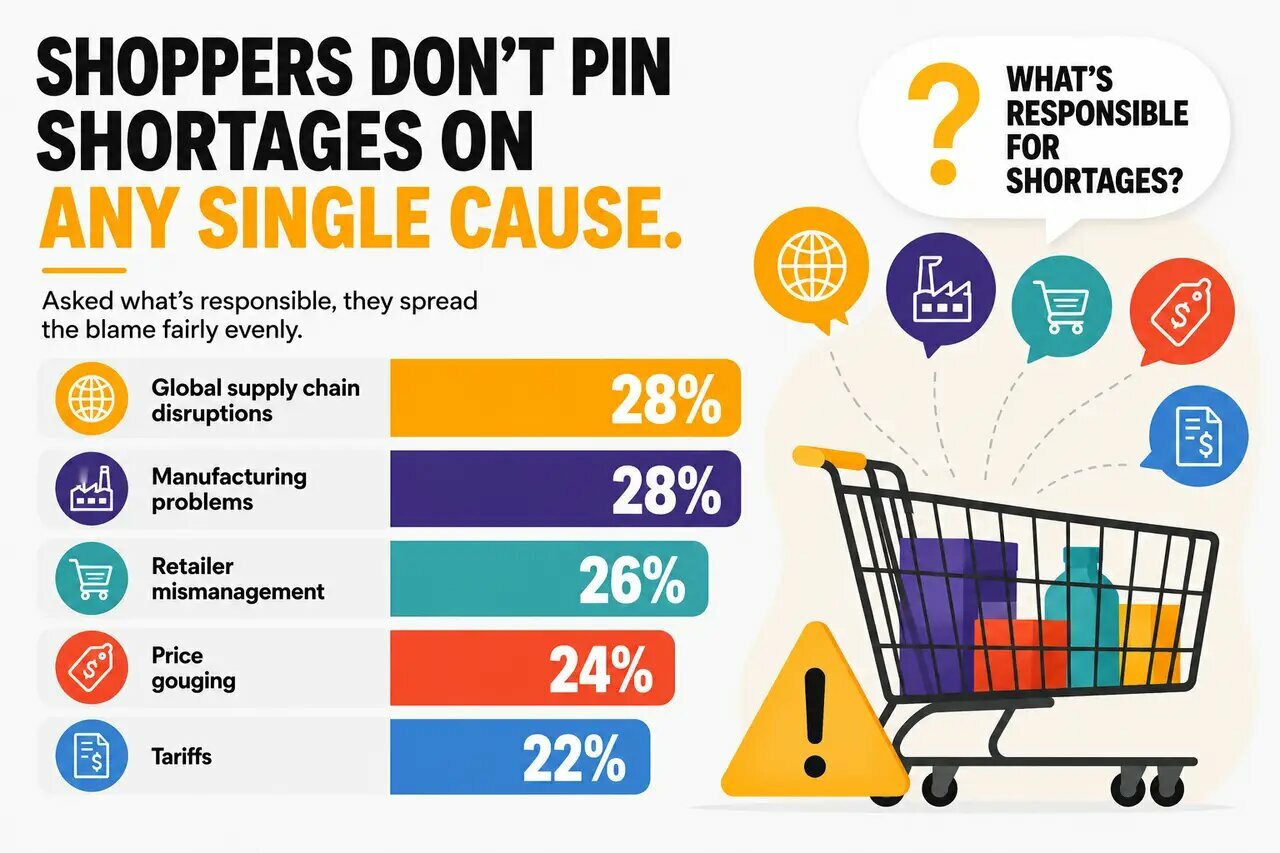
inFlow Inventory reports that a survey reveals 73% of U.S. shoppers blame tariffs for personal shortages, while only 22% cite them for overall shortages.
more
Jared Plumb for inFlow Inventory
|
1/26/26
|