
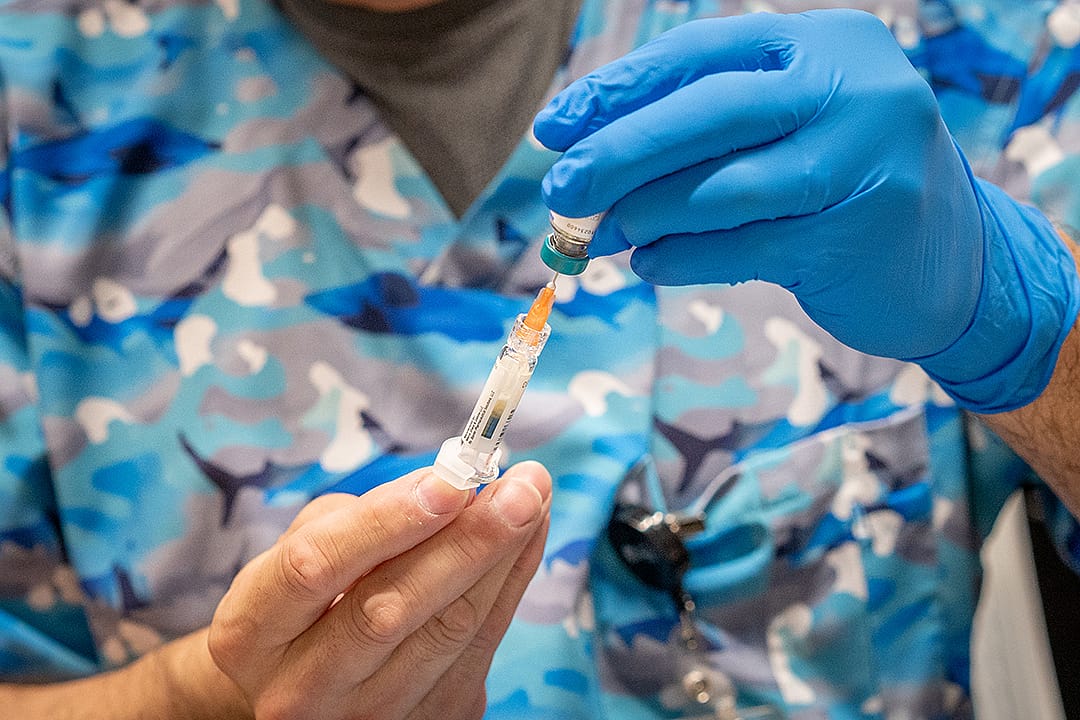
Gathering for Thanksgiving? Help Keep Flu Off the Guest List




What causes a food coma, and how to beat it this Thanksgiving

Naturepedic reports that food comas, or postprandial somnolence, occur after large meals, causing drowsiness.
America’s biggest measles outbreaks have very different death tolls. Why?
Healthbeat reports on the varying death tolls of recent measles outbreaks in Pennsylvania and South Carolina, with demographic factors influencing outcomes.
As Veterans Day Approaches, It’s Worth Talking About Tobacco

Nearly a third of US adults avoid medical care due to stigma, 91% say it’s cost them


Dry Eye: An Overlooked Symptom of Perimenopause and Menopause

America's #1 Cancer Is More Common Than We Thought

Why Women Should Find Out Their Breast Cancer Risk Earlier than You Think

Youth Tobacco Use Is at Historic Lows. Adult Smokers Still Need Better Choices.

America’s New Drug Dealers Have Moved from Street Corners to the Internet – and the FDA is Letting Them
Long Before Tremors, Sleep May Hold Important Clues to Parkinson’s

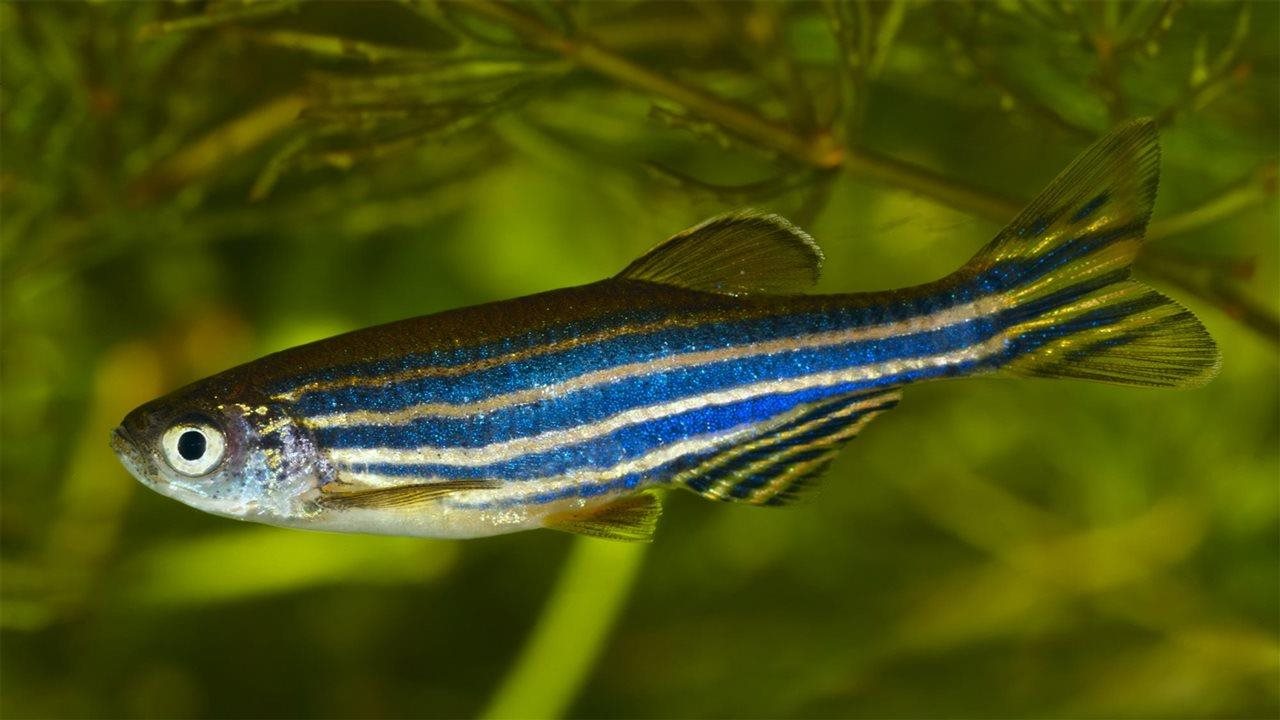
Tiny fish, big hope: The science bringing rare epilepsy research home
From Uncertainty to Reassurance: How a Small Heart Monitor and Ablation Procedure Helped One Father Conquer the Unknowns of Atrial Fibrillation

(NewsUSA) - In 2018, then-52-year-old Todd Repass Jr. stood up after a meal and immediately knew something was wrong. It was terrifying. He felt weak, short of breath, and, at times, dizzy. The …
Review Your Medicare Coverage Options: Open Enrollment is Through Dec. 7


Before you pick a health plan, ask these 5 questions
GoodRx reports that choosing the right health insurance can be overwhelming. Key factors include budget, medical needs, and upcoming life events to find the best plan.

Radon is the second leading cause of lung cancer. 8 in 10 US adults have never tested their home for it
Prevent Cancer Foundation reports Radon is the second leading cause of lung cancer, yet 80% of U.S. adults have never tested their homes for it, according to a recent survey.
Are people with ADHD more likely to get dementia? What research found
Understood reports that a 2026 study links ADHD to higher dementia risk, though many with ADHD don't develop it. Key factors include genetics and health.

How nutrition choices shape long-term health outcomes
Fatty15 reports that nutrition choices significantly influence long-term health, with small habits proving more effective than strict diets in preventing chronic diseases.
Protect Your Heart and Brain by Knowing the Signs and Symptoms of AFib
(Feature Impact) AFib is a type of arrhythmia, or heart rhythm disorder, that happens when your heart's electrical signals fire abnormally, causing an irregular heartbeat. More than 10 million people in the U.S. live with AFib, so if you're one of them, there are plenty of ways to find connection, support and resources to help.